Matter vs. Z-Wave: Differences and Running Both
Matter vs Z-Wave compared: own radio protocol or IP standard, controllers, certification and running both side by side. Find out which choice fits you.
By Tobias ·· 7 min read
Matter vs Z-Wave is a question that comes up as soon as you expand your smart home and already own devices that use a different radio technology. Both terms stand for techniques by which devices communicate wirelessly, but they work at different levels. Matter is a standard for communication between devices and control systems. Z-Wave is its own radio protocol with its own ecosystem. Here you will learn how the two differ, how they can run in the same home, and which option suits your situation.
Matter vs Z-Wave: the short answer
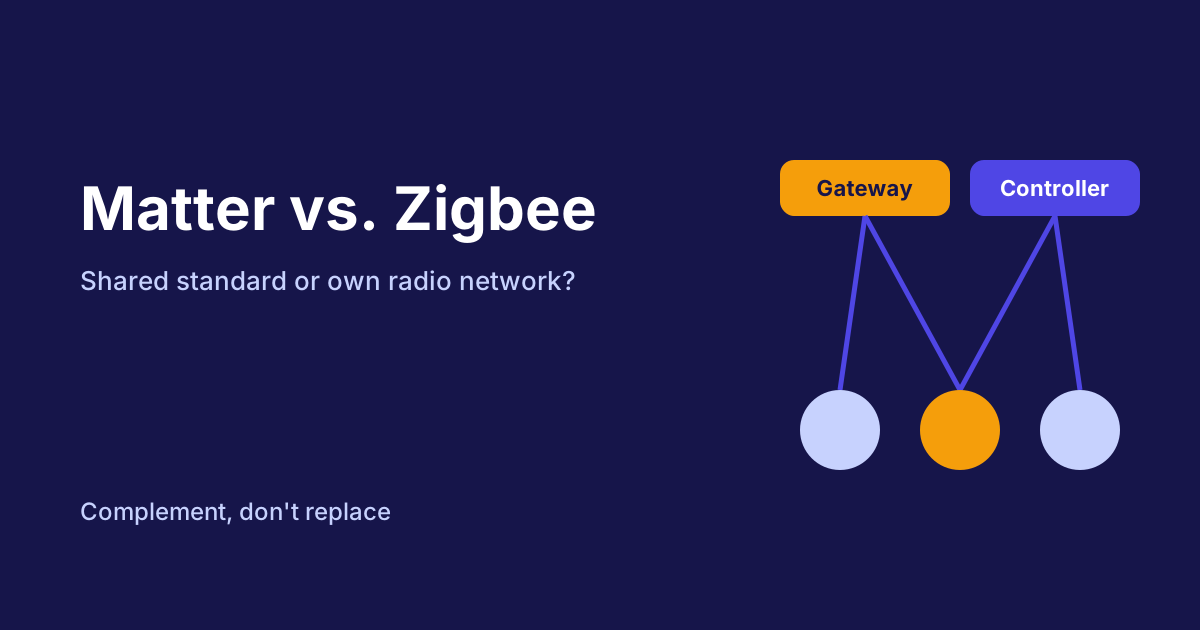
Z-Wave is its own radio network with its own certification and its own controller. Matter, by contrast, relies on existing IP networks such as Wi-Fi, Ethernet or Thread. Both worlds can be used in the same household, usually through a control system that connects them together. Switching is not mandatory. What matters is which devices you already have and which functions you need.
What Z-Wave is
Z-Wave is a radio protocol for the smart home. It operates in the sub-GHz range, and the exact frequencies differ by region. That is why you should make sure a device is intended for your market when you buy it.
Z-Wave is characterized by these points:
- Its own radio network: Z-Wave devices form their own network, which is managed by a Z-Wave controller.
- Its own ecosystem: The Z-Wave Alliance issues the certification for Z-Wave products.
- Its own device world: A Z-Wave device does not speak Matter. It needs a bridge or a system that understands Z-Wave.
What Matter is
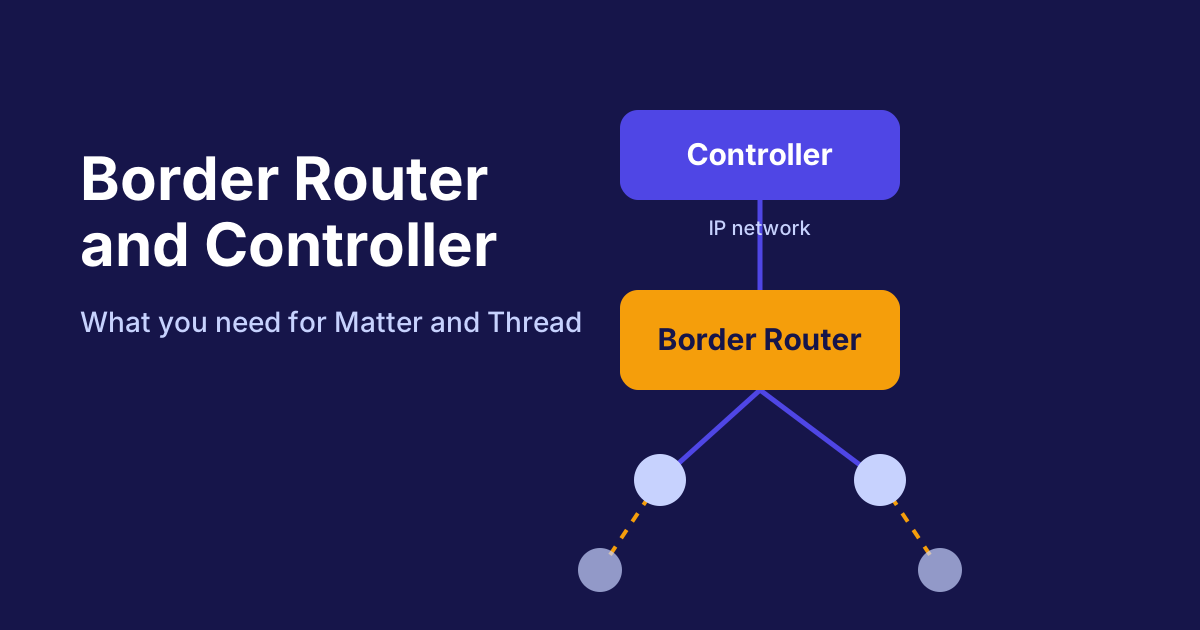
Matter is a standard for communication between smart home devices and control systems. It is designed to be manufacturer-independent and relies on IP networks. Matter devices use Wi-Fi, Ethernet or Thread as transport. Thread devices connect to the home network through a border router. I explain the connections in the article Thread, Wi-Fi or Ethernet and in the article Border router and controller.
The Matter certification program is run by the Connectivity Standards Alliance (CSA). A Matter certification confirms that a device meets the standard.
Comparison: Matter vs. Z-Wave at a glance
The following table shows the main differences:
| Feature | Matter | Z-Wave |
|---|---|---|
| Type | Standard for communication between devices and systems | Its own radio protocol |
| Network basis | IP network: Wi-Fi, Ethernet or Thread | Its own radio network in the sub-GHz range |
| Central component | Controller in the home network | Z-Wave controller |
| Certification | Connectivity Standards Alliance (CSA) | Z-Wave Alliance |
| Devices | Matter devices from various manufacturers | Z-Wave devices from various manufacturers |
| Running both | Via multi-admin or a shared system | Via bridges or a shared system |
Both ecosystems are designed to work across manufacturers. The difference lies mainly in the technology underneath: Matter builds on the IP network, while Z-Wave brings its own radio network.
Z-Wave and Matter running side by side
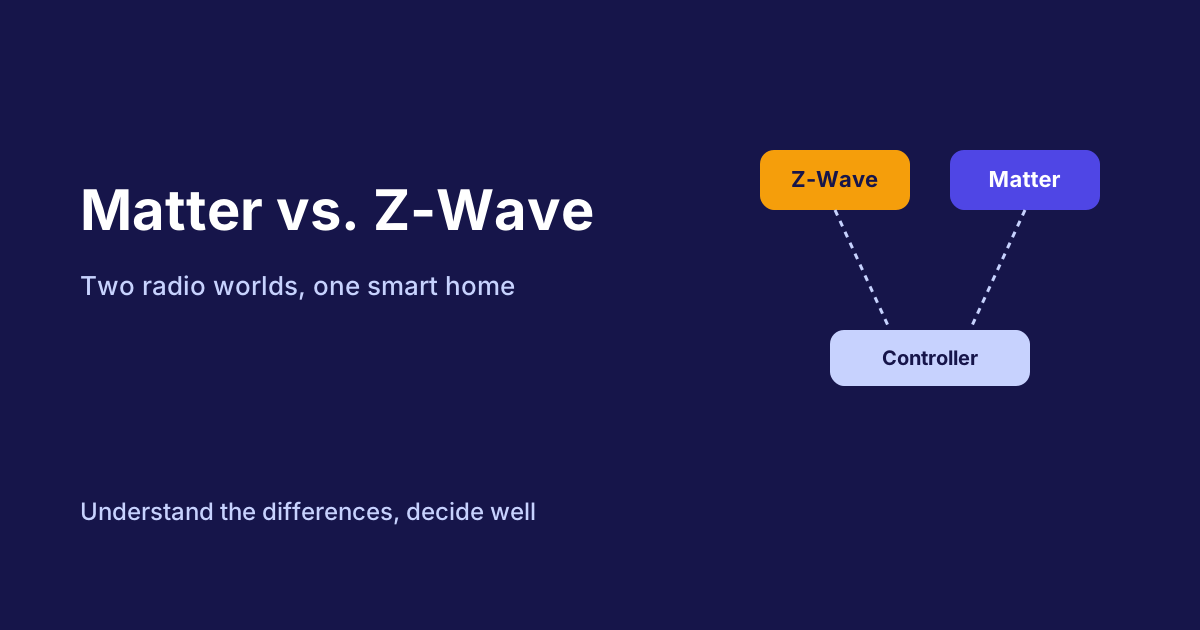
If you want to use both worlds, you need a place where they come together. That is usually the control system. A system that connects Z-Wave devices and supports Matter brings both device types into a shared interface. An example is Home Assistant, which manages different radio technologies and Matter in parallel, depending on the setup.
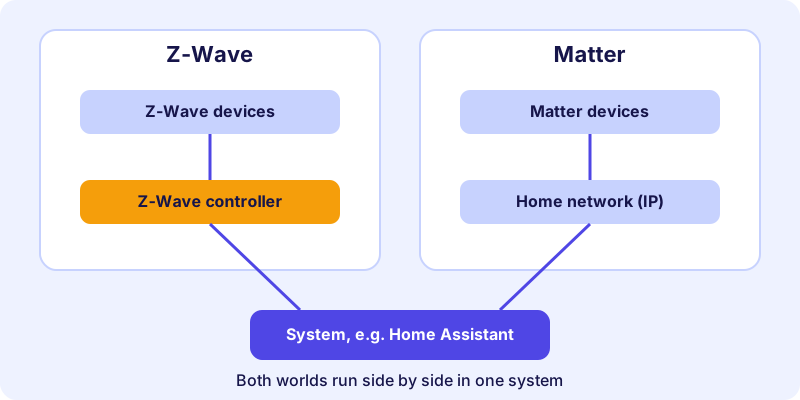
In everyday terms, this means you do not have to give up your Z-Wave network to use Matter. New Matter devices can be added, and control happens in the same system. What this looks like in practice is shown in the article Matter with Home Assistant.
A practical example: you have a Z-Wave motion sensor that works well in your automations, and you want to add a new plug with Matter. You do not need to replace the motion sensor. The plug joins the system as a Matter device, and one automation can use both devices. Whether this works in your system depends on it supporting both worlds cleanly. Check this before you buy.
When Z-Wave remains useful
A Z-Wave network that has run reliably for years is not a case for replacement. Z-Wave remains useful when:
- you already run an established Z-Wave network with many devices,
- your control system supports Z-Wave well and you want to keep using it,
- automations and scenes are built on Z-Wave,
- a certain device type is only available in Z-Wave.
When Matter is the better choice
Matter fits especially well when you are starting new or want to expand in a targeted way:
- Manufacturer-independent choice: You want to combine devices from different brands that speak the same standard.
- Several systems: With multi-admin, a Matter device can be used in more than one system. The details are in the article Matter multi-admin explained.
- Using existing networks: Wi-Fi and Ethernet devices connect directly to your home network. Thread devices also need a border router. Check in advance whether your controller supports all transports.
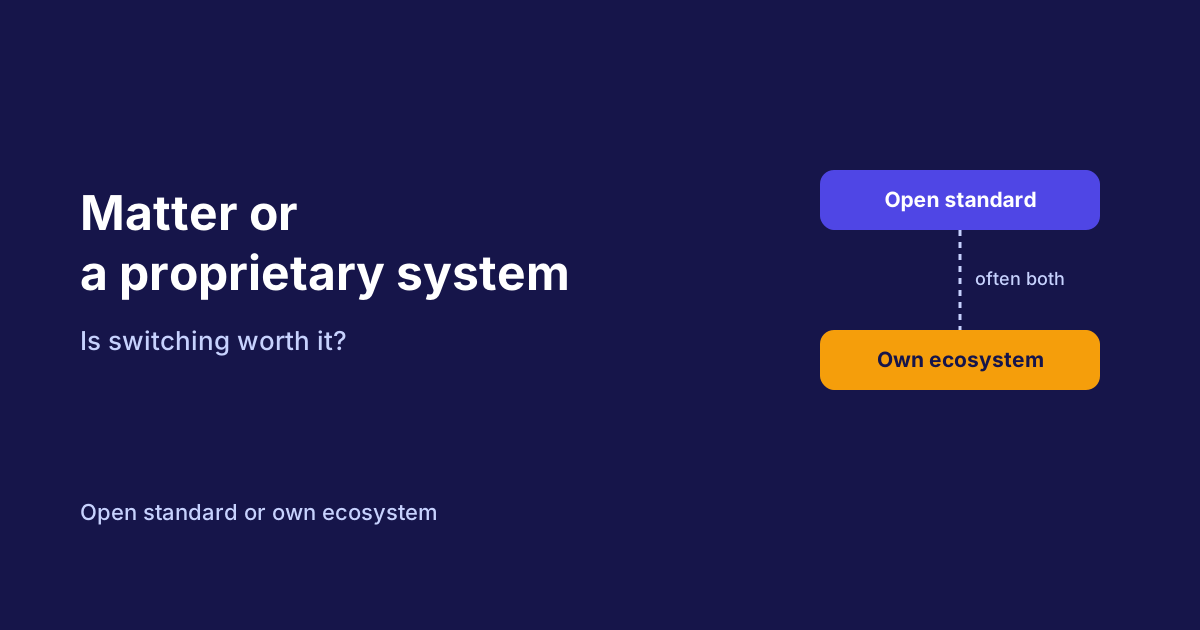
- An open standard as a foundation: If you want to build your smart home for the long term, Matter offers a clearly defined common language.
Decision guide: which option suits you?
These questions help you classify your situation:
- Which devices do you already own? A large Z-Wave network points more toward running both.
- Which control system do you use or plan to use? Check whether it supports Z-Wave and Matter at the same time.
- Which functions do you need? Compare the device types you need in the device directory on matter.tips.
- Which region are you in? Pay attention to the version for your market, so that radio technology and certification match.
Common misconceptions
Some misunderstandings come up repeatedly in this comparison:
- “Matter replaces Z-Wave.” That is not accurate. Matter is a standard for devices and systems, not a direct successor to a radio protocol. Z-Wave devices remain usable.
- “Z-Wave is automatically outdated.” A newer standard does not mean that a proven network is worse. What matters is what works for you.
- “Matter always needs its own controller in the basement.” Whether you need your own controller depends on your system. The classification is explained in the article Matter bridge explained and in the article on border routers and controllers.
Conclusion: not either-or
Matter and Z-Wave do not necessarily compete with each other. Matter is the standard to look for when buying new devices, while Z-Wave is its own radio network with an established ecosystem. If you are starting from scratch, Matter is an open foundation. If you already use Z-Wave, it is worth keeping it and adding Matter where it makes sense. The device directory lists certified Matter devices, and you can filter them by radio technology.
Frequently asked questions
Is Matter better than Z-Wave?
That depends on your goal. Matter is a manufacturer-independent standard based on IP. Z-Wave is its own radio network with its own ecosystem. Both have their strengths, depending on the household.
Can I use Z-Wave devices in Matter?
Not directly. Z-Wave devices do not speak Matter. However, they can run together with Matter devices through a control system or a bridge.
Do I need my own controller for Z-Wave?
Yes, a Z-Wave network is managed by a Z-Wave controller. This can be part of a control system.
Are Z-Wave and Matter prone to interference in the same house?
Both use radio, but on different frequencies and with different technology. A general statement about interference is not possible, because placement and surroundings play a major role.
Should I replace my Z-Wave network with Matter now?
In most cases, no. You can keep a working network and add Matter where it brings you an advantage. You only need to replace what is defective or is being bought new anyway.