Matter and the Smart Home in Germany 2026: market analysis, trends and true distribution
Smart Home 2026: Over 52% of Germans use smart devices. Find out how the Matter standard & Thread ensure real interoperability. (143 characters)
By Tobias ·· 4 min read
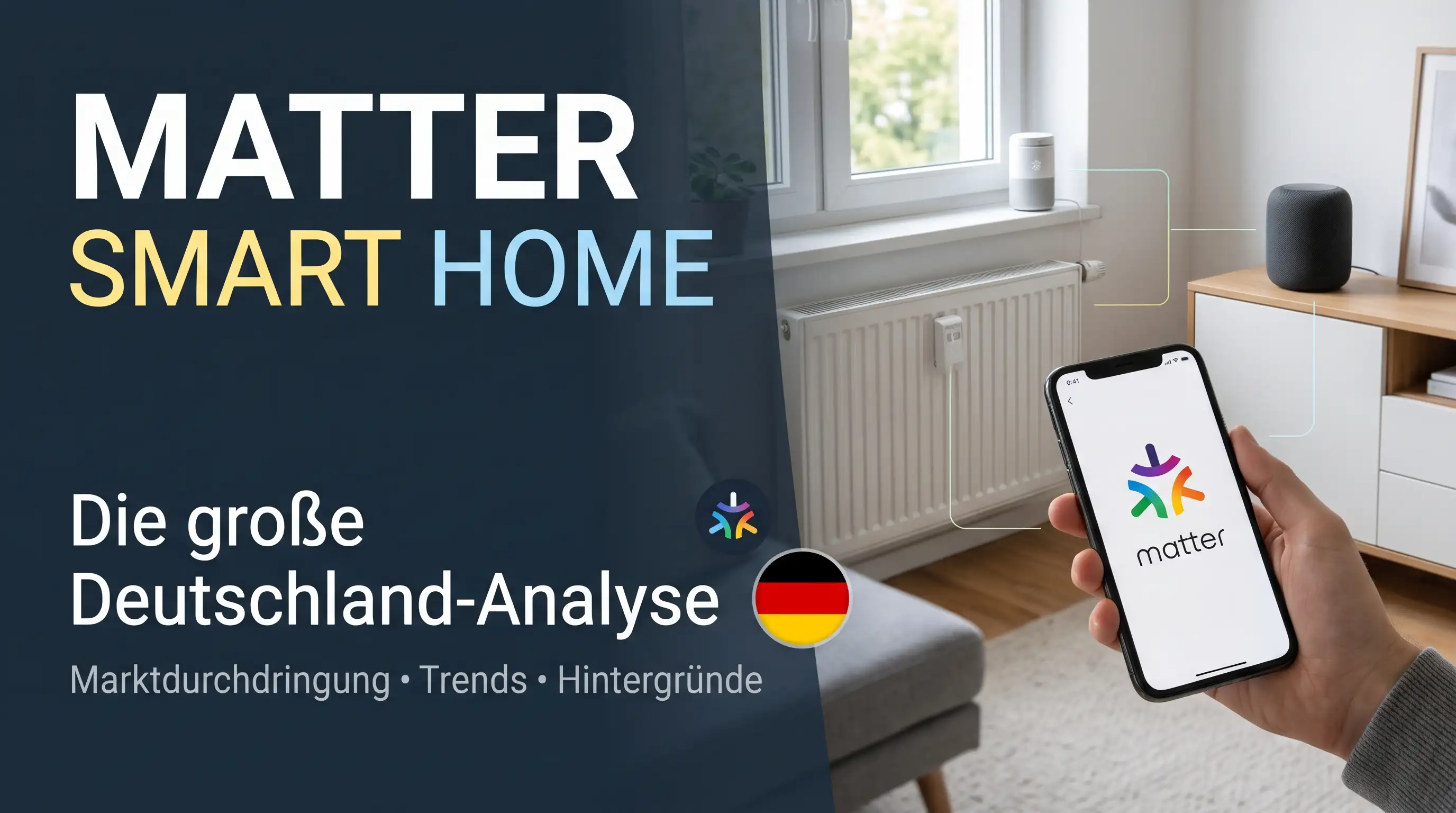
The smart home has arrived in the middle of German society. But what about the salvation bringer of interoperability – the Matter standard? A close look at current market data and manufacturer behavior shows a split but inexorably growing picture for 2026.
1. The foundation: Smart Home reaches the masses
The foundation for spreading Matter has never been more solid. According to the latest figures from the digital association Bitkom in late summer 2026, networked devices in Germany have reached a historic milestone: for the first time, more than 52 percent of the German population use smart home applications.
Germany is thus positioning itself as an absolute heavyweight in Europe. Analyses by market researchers at Mordor Intelligence put the European smart home market at $24.44 billion for 2026 – with Germany alone generating around 26 percent of total European sales. The willingness to invest in the smart home is high, but the demands on compatibility, longevity and data protection are growing in parallel.
2. The Matter standard in practice: A crack goes through the industry
Matter entered 2022 to end the “vendor lock-in” and eliminate ecosystem chaos. However, the view of the German market and current industry events such as IFA 2026 shows a clear division in the adaptation:
On the one hand, there are smaller, agile providers and specialists (such as Aqara or Shelly), who are pushing massively on Matter, continuously supply compatible hardware and thus pull the cart of interoperability.On the other hand, large traditional brands, especially in the field of white goods (large household appliances), are sometimes in conspicuous restraint. Although the Matter standard has long covered categories such as stoves, refrigerators and robotic vacuum cleaners through updates, some industry giants have time to implement it. For retailers and customers, this means that in the classic smart home segment (lighting, sensors, smart sockets), Matter has long been a reality, and the industry is still lagging behind in the case of expensive large-scale devices.
[affilinode_product id="b651fbbe-a335-4c62-85b2-a6e2887bdea3" packs="hint" stock_alert="1" cart="1"]
3. Energy efficiency as the strongest purchasing argument
The most important purchase argument in the German market has long since ceased to be just living comfort, but the measurable reduction in operating costs. According to Bitkom, 6 out of 10 smart home households in Germany say that they effectively save energy by using smart technologies.
This is where the greatest potential of the current Matter specifications lies. Smart sockets with energy measurement (such as the Matter models from TP-Link or Hama) as well as intelligent thermostats form the basis for holistic energy management that works across devices.
4. Data protection and local edge computing with Thread
A decisive success factor for Matter in Germany is the accompanying local radio protocol Thread. The sensitivity for data protection is enormous in this country: 64 percent of users trust in the security of their smart home data, but at the same time 83 percent fear hacker attacks and unauthorized access.
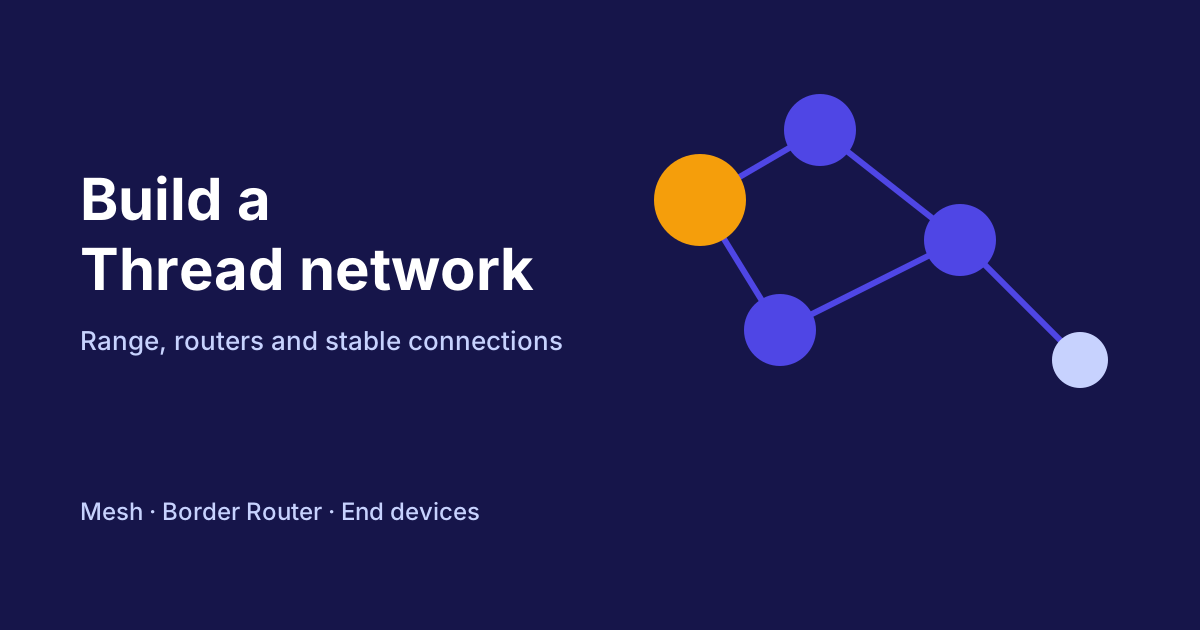
Matter over Thread addresses these concerns directly through local communication. Commands are processed in your own network (edge computing), without a mandatory detour via manufacturer clouds abroad. Market observers predict that by 2031, Thread-based devices will see the strongest growth (6.63% CAGR) among all communication technologies in Europe.
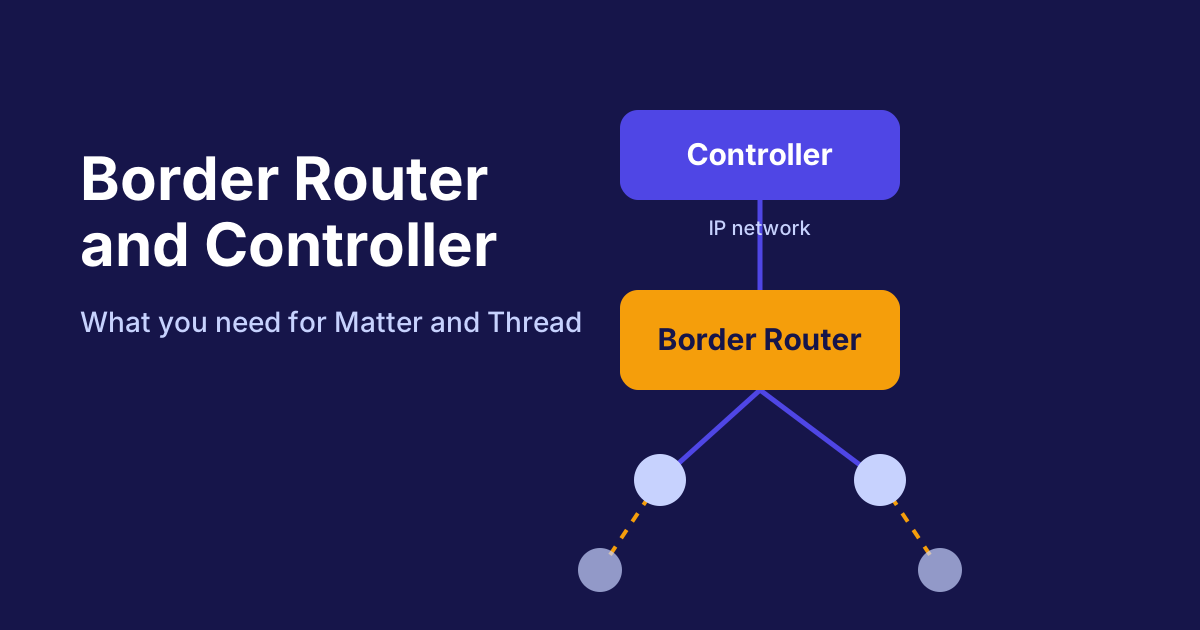
For smart home enthusiasts, this means a technical evolution: Reliable Thread Border Router and dedicated multi-protocol coordinators (such as the SMLIGHT SLZB series) are increasingly becoming an indispensable infrastructure in the home network cabinet to operate cloud-independent systems such as Home Assistant in a fail-safe manner.
Conclusion: Matter grows organically from the base
Matter has conquered the German market – not with a loud Big Bang from the big household appliance manufacturers, but as a steady “grass root movement”. Driven by agile sensor manufacturers and an extremely strong open source community, the base of interoperable devices is growing every day. Anyone planning a smart home today relies on Matter and Thread as a foundation to remain future-proof and manufacturer-independent in the long term.
Sources & Data Base:
- Bitkom e.V.: Studies ‘Smart Home 2026: For the first time more than half of Germans‘ > ‘Majority considers their own data to be safe‘ (September 2026).
- Mordor Intelligence: ‘Market size and market share of the European smart home market‘ (Forecast period 2026-2031).
- Tink Blog: Industry analysis ‘Matter Smart Home Standard: Crack at IFA 2026‘.
- ChannelPartner: ‘What Traders Should Know About Matter‘ (Review of manufacturer adaptation).
This article was automatically translated from German. Read the original